Your Comprehensive WordPress Optimization Strategy: Putting It All Together
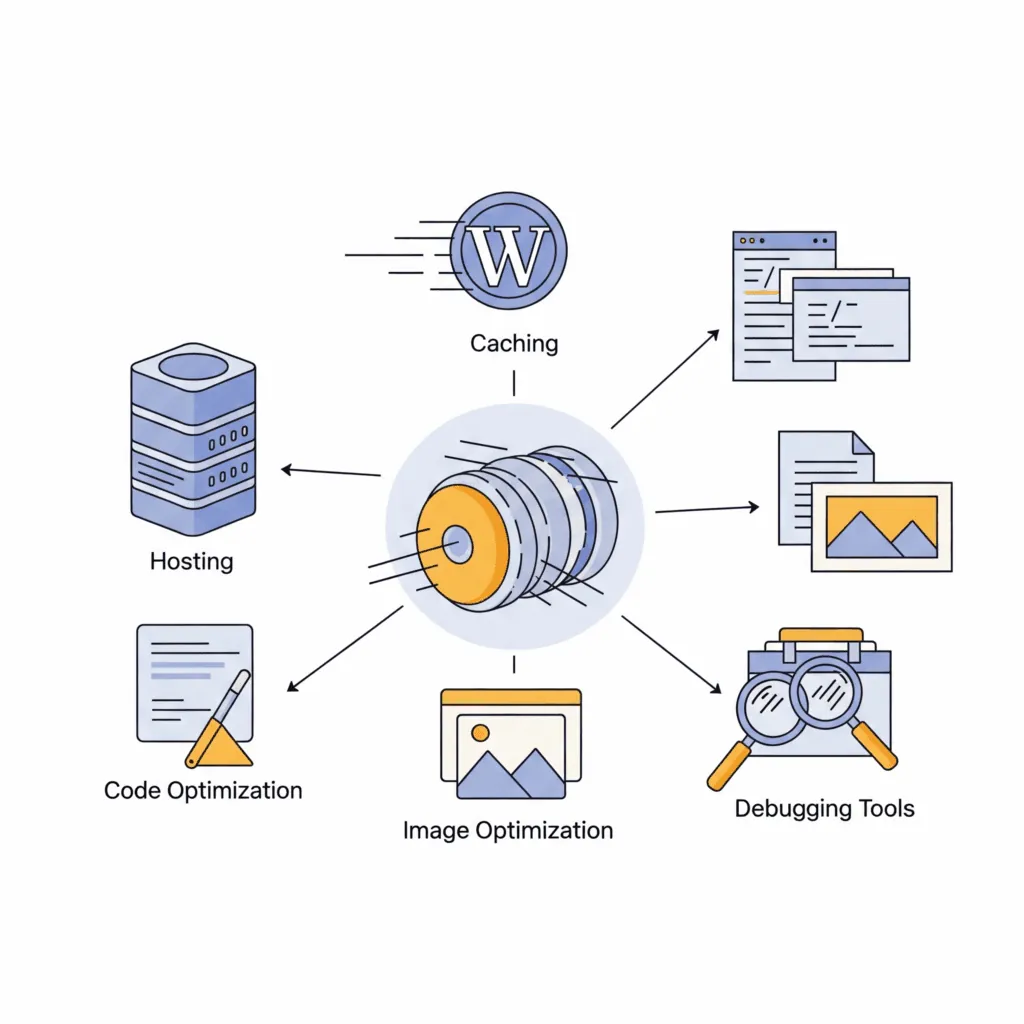
Welcome to the final installment of our five-part series on building a lightning-fast WordPress website. This guide is your roadmap to a comprehensive WordPress optimization strategy, tying together everything we’ve learned to build a faster, more resilient site.
1. The Foundation: Building a Solid Base
Just like a skyscraper, a fast website needs a rock-solid foundation. This is where your journey begins. Without these core elements, all other optimizations will have a limited impact.
- High-Performance Hosting: This is non-negotiable. As we discussed in Part 1, cheap, shared hosting is a performance killer. Invest in managed WordPress hosting that provides NVMe SSDs, HTTP/3 protocol support, and server-level caching. A fast server is the engine that drives everything else.
- Lightweight Theme: Your theme is the framework of your site. A bloated theme can add hundreds of kilobytes of unnecessary code and assets. Choose a theme built for speed, like GeneratePress or Astra, that provides a clean, fast foundation and lets you add functionality with plugins, not the other way around.
- Quality Caching Plugin: Caching is your first line of defense against slow server response times. A good caching plugin (like WP Rocket or LiteSpeed Cache) creates static versions of your pages, serving them to visitors instantly and drastically reducing the load on your server.
2. The Engine: Server-Side and Database Optimization
Once your foundation is in place, you need to fine-tune the engine. This is where our discussion on advanced WordPress server optimization from Part 2 comes into play.
- Object Caching: For dynamic sites with lots of user interaction, object caching with Redis or Memcached is a game-changer. It stores the results of database queries in memory, allowing for near-instant retrieval and significantly reducing server load.
- PHP Version: Always run the latest stable version of PHP. Each new version brings significant performance improvements. It’s a simple change that can provide a massive speed boost.
- Database Cleanup: A cluttered database is a slow one. Regularly clean up old post revisions, spam comments, and orphaned data using a plugin like WP-Optimize. This ensures your database queries are lightning-fast. If you would rather not handle this yourself, our website maintenance plans keep your database lean and your site running at full speed.
3. The User Experience: Optimizing the Critical Rendering Path
The user’s experience is paramount. A site can be fast on the backend, but if it’s slow to display content, it’s still a failure. This is why mastering the WordPress Critical Rendering Path is so important.
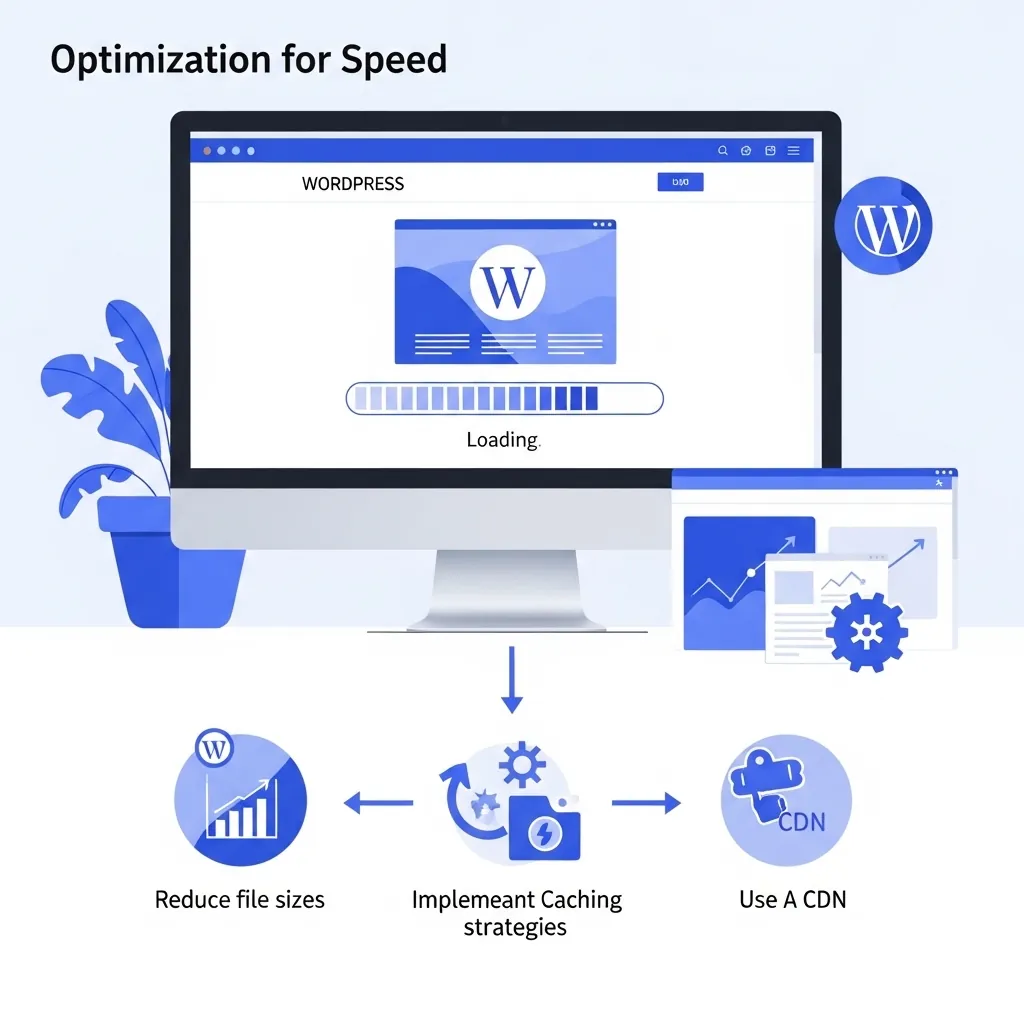
- Manage Render-Blocking Resources: The goal is to get the most important content to the user’s screen as quickly as possible. This means inlining critical CSS for the “above the fold” content and deferring the rest. Similarly, use the async and defer attributes to load JavaScript without blocking the page from rendering.
- Optimize Images and Fonts: Images are often the largest files on a page. Compress them, convert them to modern formats like WebP, and use lazy loading. For fonts, use font-display: swap to prevent a “flash of invisible text” and ensure your content is readable instantly.
4. The Toolkit: Debugging and Monitoring
A comprehensive WordPress optimization strategy isn’t a one-time task; it’s an ongoing process. As we discussed in Part 4, you need the right tools to monitor and debug your site.
- Performance Testing Tools: Regularly use tools like GTmetrix and Google PageSpeed Insights to monitor your site’s performance. These tools provide a clear picture of what’s working and what needs improvement.
- Debugging Plugins: A plugin like Query Monitor is essential for finding the root cause of performance issues. It can help you identify slow database queries, problematic plugins, and other bottlenecks that are invisible to the naked eye.
- Continuous Monitoring: Set up regular performance checks. A sudden drop in speed could be due to a new plugin, a theme update, or a server issue. Catching these problems early is key to maintaining a fast site.
5. The Final Strategy: Your Optimization Roadmap
Ultimately, a comprehensive WordPress optimization strategy is about more than just a list of tips. It’s about adopting a mindset. It’s about prioritizing performance from the very beginning, from the host you choose to the theme you install and the plugins you use. It’s a core component of your digital strategy.
By combining the foundational steps, advanced server-side tweaks, and front-end optimizations, you’re not just making your site faster; you’re building a more resilient, user-friendly, and SEO-friendly digital asset. A fast site ranks higher, converts better, and provides a superior experience that will set you apart from the competition. If speed gains are not translating into rankings, our SEO Rescue service can pinpoint exactly what is holding your site back.
For a final look at how all these elements fit together, check out this ultimate guide to WordPress performance optimization. And for a refresher on the basics, be sure to visit our previous article on WordPress Performance Optimization.
This concludes our five-part series. We hope this roadmap empowers you to build and maintain a lightning-fast WordPress website that is ready for the future.
Need a Fast, Professional WordPress Website?
JWD Website Design builds high-performance WordPress websites for South African businesses. We handle the setup, speed optimisation, security, and ongoing maintenance so you can focus on running your business. Browse our website design packages or request a free quote today, and we will help you put this entire strategy into action.
Related reading: How to Speed Up WordPress Fast 2025 • Advanced Server Optimisation • Mastering the Critical Rendering Path • Advanced WordPress Debugging • WordPress Maintenance SA • WordPress On-Page SEO
Frequently Asked Questions
What are the foundational elements of a fast WordPress site?
The foundation rests on three core elements. First, high-performance hosting with NVMe SSDs, HTTP/3 support, and server-level caching, since cheap shared hosting is a performance killer. Second, a lightweight theme such as GeneratePress or Astra that adds functionality through plugins rather than bloat. Third, a quality caching plugin like WP Rocket or LiteSpeed Cache that serves static page versions to reduce server load.
How can I optimise my WordPress database and server for speed?
On the server side, use object caching with Redis or Memcached to store database query results in memory for near-instant retrieval. Always run the latest stable version of PHP, as each version brings significant performance improvements. Keep your database clean by regularly removing old post revisions, spam comments, and orphaned data with a plugin like WP-Optimize. If you would rather not handle it, JWD website maintenance plans, billed at R450 per hour, keep your database lean.
Which tools should I use to monitor and debug WordPress performance?
Regularly use performance testing tools like GTmetrix and Google PageSpeed Insights to monitor your site and see what needs improvement. A debugging plugin such as Query Monitor is essential for finding slow database queries, problematic plugins, and other hidden bottlenecks. Set up continuous monitoring with regular performance checks, since a sudden drop in speed could come from a new plugin, a theme update, or a server issue. Catching these early keeps your site fast.
How do I improve how quickly my WordPress pages display content?
Focus on the critical rendering path. Get the most important content to the screen fast by inlining critical CSS for above-the-fold content and deferring the rest, and use the async and defer attributes so JavaScript does not block rendering. Optimise images by compressing them, converting to modern formats like WebP, and using lazy loading. For fonts, use font-display: swap to prevent a flash of invisible text so your content reads instantly.
What if my WordPress speed gains are not improving my search rankings?
If speed improvements are not translating into rankings, JWD’s SEO Rescue service can pinpoint exactly what is holding your site back. It is a once-off service priced at R2500. You can also browse JWD website design packages, starting with the Business Website at R6000, or request a free quote to put the full optimisation strategy into action.