Advanced WordPress Server Optimization: Going Beyond the Basics for a Faster Website

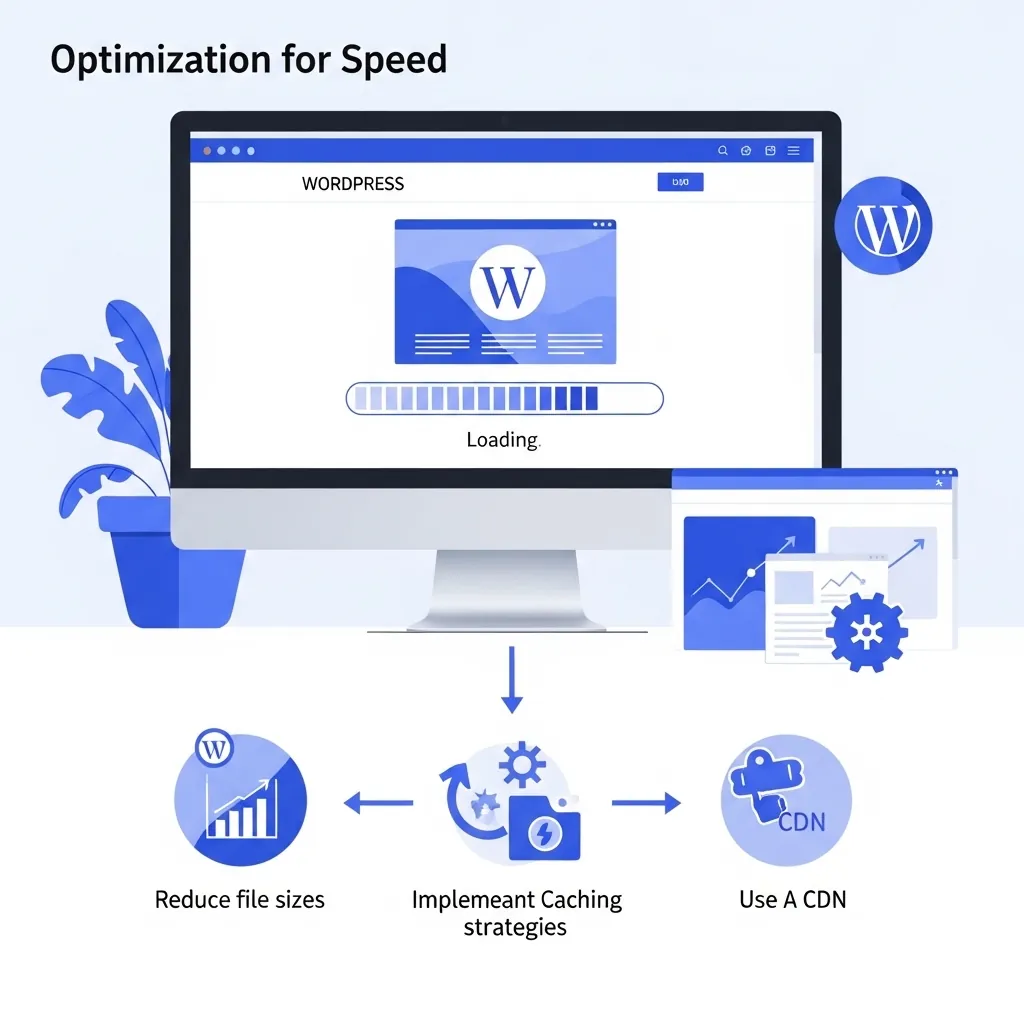
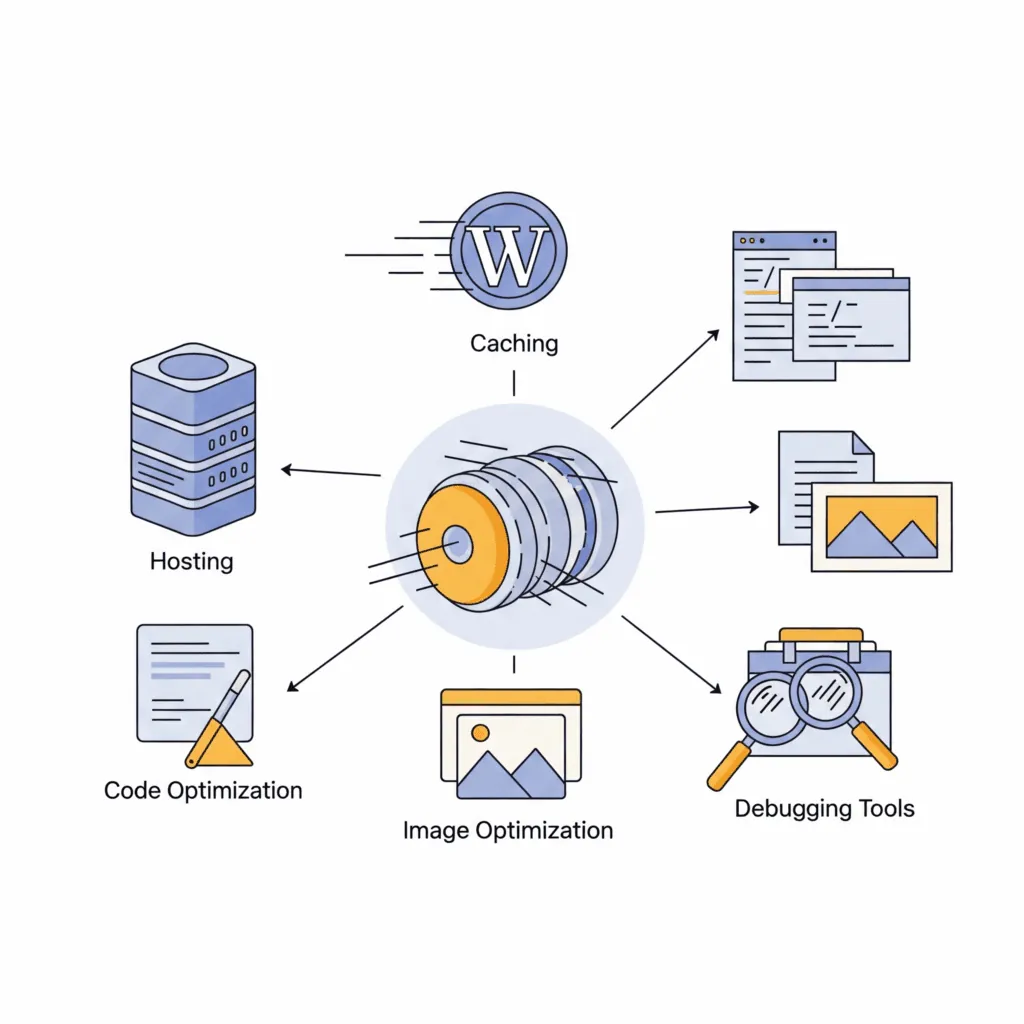
Welcome back to our ultimate guide on how to speed up WordPress fast in 2025 - Advanced WordPress Server Optimization. In Part 1, we covered the foundational steps-choosing the right hosting, using a lightweight theme, and implementing a quality caching plugin. But if you’re serious about achieving top-tier performance, you need to go beyond the basics. This is where advanced WordPress server optimization comes in.
Think of it as fine-tuning the engine of your website to squeeze out every last bit of performance. These techniques are less about plugins and more about your server environment and how it handles data. By mastering these strategies, you can reduce server response time, handle more traffic, and ensure your site is ready for the demands of the modern web.
1. The Power of Object Caching: A Key to Advanced WordPress Server Optimization
You already know that page caching is crucial for a fast site. But what about your database? Every time a user visits a dynamic page, your server has to run database queries to fetch information. For high-traffic sites, this can be a major bottleneck.
This is where object caching comes in. It stores the results of these expensive database queries in your server’s memory, so future requests can pull the data instantly without hitting the database again. This dramatically reduces server load and speeds up your site. The two most popular solutions for this are Redis and Memcached.
- Redis: A powerful, open-source, in-memory data store that is incredibly fast and versatile.
- Memcached: A simpler, high-performance distributed memory caching system.
Many managed WordPress hosts offer Redis or Memcached as a built-in feature, providing a seamless solution for advanced WordPress server optimization. If you would rather not manage this yourself, our fast local web hosting comes tuned for performance out of the box.
2. Optimize Your PHP Version and Execution
PHP is the scripting language that powers WordPress. Running an outdated version is like using an old, slow processor on a new computer. Each new version of PHP brings significant performance improvements and security enhancements.
- Always use the latest stable version of PHP. In 2025, this means using PHP 8.x or higher. You can typically change your PHP version with a single click in your hosting control panel.
- Use the right PHP execution model. Modern hosts use faster models like PHP-FPM (FastCGI Process Manager), which can handle more requests and improve overall site responsiveness.
3. Database Indexing: A Crucial Step in Advanced WordPress Server Optimization
A bloated database is a slow database. In Part 1, we talked about cleaning out old revisions and spam comments. But for truly advanced performance, you need to ensure your database is indexed correctly.
Think of an index as a library’s card catalog. Without it, the librarian would have to read every single book to find the one you need. With an index, they can find the book instantly. Similarly, database indexing helps your server find data faster, especially on sites with complex queries. This is a vital component of any advanced WordPress server optimization strategy.
You can use tools like Query Monitor to identify slow queries and then work with your host or a developer to add indexes to the relevant database tables. Keeping the database lean is also part of our ongoing website maintenance plans.
4. Advanced Compression: Beyond GZIP to Brotli
We’ve already discussed the importance of compressing your site’s files. While GZIP is effective and widely supported, Brotli is a newer, more efficient compression algorithm developed by Google.
Brotli can reduce file sizes even further than GZIP, leading to faster load times, especially for text-based files like HTML, CSS, and JavaScript. Many modern hosts and CDNs like Cloudflare support Brotli by default.
5. Server-Side Configuration & Monitoring
Your server’s configuration plays a huge role in its performance. A few key areas to focus on include:
- HTTP/3: The newest internet protocol, which offers significant speed improvements over HTTP/2, especially on mobile networks. Ensure your host supports it.
- Server-Side Caching: Some hosts use server-level caching (like Nginx FastCGI or Varnish) which is often more efficient than a plugin and is a hallmark of good server-side optimization.
- Resource Monitoring: Keep an eye on your server’s CPU and RAM usage. If you’re consistently maxing out your resources, it’s a clear sign that you need to optimize your site or upgrade your hosting plan.
If your current host cannot keep up, browsing our web hosting options is a good place to start, and a .co.za annual hosting plan is ideal for South African audiences who want fast local response times.
6. The Power of External Links
To learn more about these advanced WordPress server optimization techniques, check out this excellent article on 5 Advanced WordPress Speed Techniques You Haven’t Tried. It provides a great deep dive into server-side and database optimizations.
What’s Next?
This is just the beginning of your journey. For more great tips on improving your site’s performance, be sure to check out our previous article on WordPress Performance Optimization.
In Part 3 of our series, we will dive into even more technical topics, including how to optimize your site’s critical rendering path, manage third-party scripts, and handle font loading for maximum speed. Stay tuned!
Need a Fast, Professional WordPress Website?
JWD Website Design builds high-performance WordPress websites for South African businesses. We handle the setup, speed optimisation, security, and ongoing maintenance so you can focus on running your business. Take a look at our website design packages or get a free quote and let us build you a site that loads fast and stays fast.
Related reading: How to Speed Up WordPress Fast 2025 • Mastering the Critical Rendering Path • Advanced WordPress Debugging • Complete WordPress Optimisation Strategy
If you would rather we handle the whole job, see our WordPress speed optimization service.
Frequently Asked Questions
What is object caching in WordPress and how does it speed up a site?
Object caching stores the results of expensive database queries in your server’s memory, so future requests pull the data instantly without hitting the database again. This dramatically reduces server load and speeds up your site, which is a big help on high-traffic sites where database queries become a bottleneck. The two most popular solutions are Redis and Memcached.
Which PHP version should I use for the fastest WordPress site in 2025?
Always use the latest stable version of PHP. In 2025 that means PHP 8.x or higher, since each new version brings significant performance and security improvements. You can usually change your PHP version with a single click in your hosting control panel. It also helps to use a modern execution model like PHP-FPM, which handles more requests and improves responsiveness.
Is Brotli compression better than GZIP for WordPress?
Brotli is a newer, more efficient compression algorithm developed by Google. It can reduce file sizes even further than GZIP, leading to faster load times, especially for text-based files like HTML, CSS, and JavaScript. GZIP is still effective and widely supported, but many modern hosts and CDNs like Cloudflare support Brotli by default.
What does database indexing do for WordPress performance?
Database indexing helps your server find data faster, much like a library card catalogue lets a librarian find a book instantly instead of reading every book. It is especially valuable on sites with complex queries. You can use a tool like Query Monitor to identify slow queries, then work with your host or a developer to add indexes to the relevant database tables.
Does JWD offer managed hosting and maintenance that handle this optimisation for me?
Yes. JWD’s fast local web hosting comes tuned for performance out of the box, with the Basic plan at R99 per month, so you do not have to manage object caching yourself. Keeping your database lean is also part of our ongoing website maintenance plans, charged at R450 per hour. For South African audiences who want fast local response times, our .co.za annual hosting is R1150 per year.